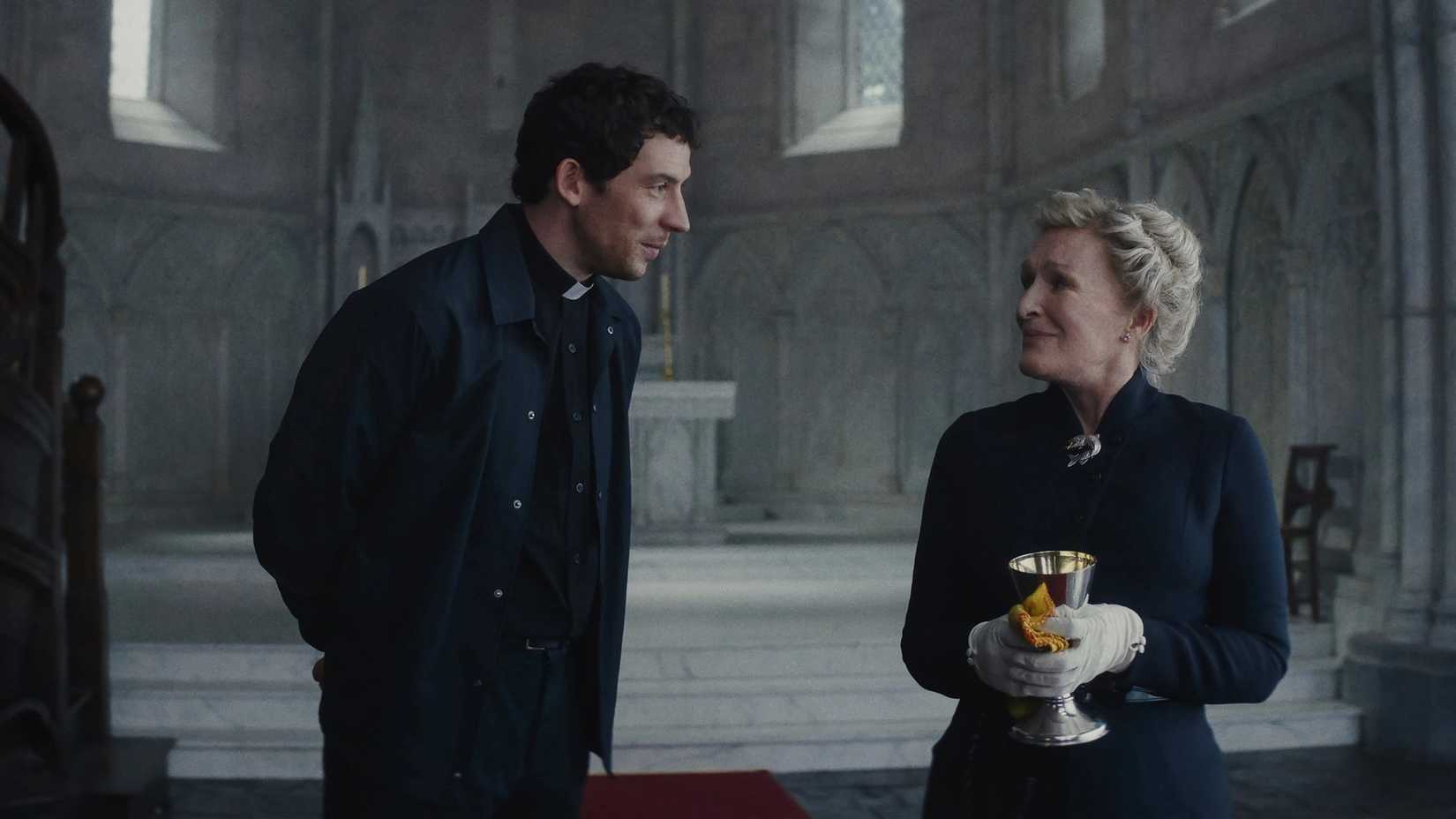
One of the best scenes in
Analyze This is where the Billy Crystal character is coaching the Robert DeNiro character through a phone conversation with one of DeNiro's mob rivals. DeNiro is trying to deal with the situation using all the counseling and analysis tools Crystal has given him. He tells the other mob guy something like, "... I know that has made you angry ... [coaching from Crystal] ... and that anger is a "blocked wish" ..." Of course the mob guy on the other end can't make heads or tails of talk like this.
Is personal anger always a "blocked wish" as the counselor defines it? In our living room we were musing on the nature of anger in the light of
Analyze This and pastor Stu's recent sermon on "Do Not Kill" in which he walked us through Jesus' teaching that if you are even angry with your brother, you have broken the commandment.
Questions arise. What about "Be angry and do not sin"? We are created in God's image, and God gets angry, so shouldn't we properly respond in anger in some circumstances?
Our discussion got us about this far:
1) The "blocked wish" kind of anger is usually the kind of thing better called "frustration." It doesn't have much of a moral component. I have this anger when the tool and the task are at odds: the nail bends, the wrench strips the nut, the tax form is unintelligible.
2) The wicked kind of anger is one where I indulge my selfish wishes over another. He has disrespected me, he has taken from me, he has crossed me.
3) The image-of-God kind of anger is a reaction to injustice or wickedness in which I have no self interest. The bad guys are exploiting the widow and orphan over there, and my involvement in the situation can only cost me; I get no advantage.
Of course situations of anger do not fall neatly into these three categories. In most situations it's hard to argue that one has no self interest at all. But these seem like useful categories in thinking about anger.